How Body Contouring Farmington Hills Helps Target Stubborn Areas

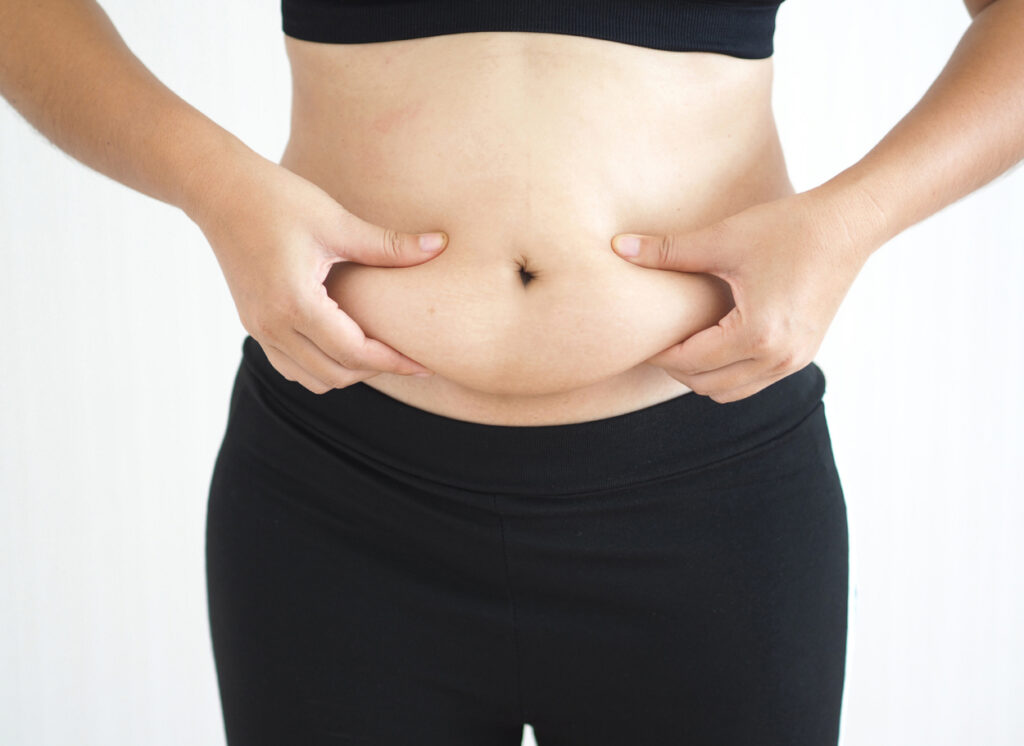
Anyone who has spent months eating well, lifting weights, walking consistently, or training for a race knows a frustrating truth: the body does not always change in the places you expect. A person can lose inches through the waist and still feel bothered by fullness under the chin. Another can build strong legs and still notice pockets along the outer thighs. After pregnancy, weight loss, or simply with age, some areas hold on longer than others.
That gap between overall progress and local change is what brings many people to body contouring in the first place. They are not looking for a magic fix. Most are already doing many things right. They want a more direct way to address specific areas that seem resistant to diet and exercise alone. In that setting, Body Contouring Farmington Hills has become a practical option for people who want refinement rather than reinvention.
What body contouring does well is target shape. It is not a substitute for long-term health habits, and it is not the right answer for every body concern. But in the right candidate, with the right expectations, it can make a meaningful difference in the spots that tend to linger.
Why stubborn areas are so common
People often describe certain body zones as if they are failing somehow. That is usually not the case. Fat distribution has a strong genetic component. Hormones influence where the body stores energy. Stress, sleep, menopause, pregnancy, and age-related changes in skin and muscle tone all play a part. Even posture can affect how a contour looks in clothing.
This is why two people with similar weight and similar routines can carry fullness very differently. One may gain around the lower abdomen. Another may notice the flanks first. A very fit person may still have a soft pocket near the bra line or under the arms. These patterns are ordinary, even if they feel personal.
There is also a difference between weight loss and contour change. Weight loss reduces total body mass. Contour change focuses on how certain areas look relative to the surrounding body. A person may be near their goal weight and still feel that one feature throws off balance or proportion. Body contouring is designed for that kind of concern.
What “body contouring” actually means
The term gets used broadly, which can create confusion. In everyday practice, body contouring refers to treatments intended to improve the shape and definition of targeted areas. Some approaches are non-surgical and rely on technologies such as cooling, heat, radiofrequency, ultrasound, or muscle stimulation. Others are minimally invasive or surgical, depending on the degree of change needed.
A consultation usually sorts out three separate issues that people tend to lump together: excess fat, skin laxity, and muscle tone. A patient may come in saying, “I want to tighten my stomach,” when the real issue is a mix of a small fat pocket, loose skin after pregnancy, and weakened abdominal support. Another may think they need fat reduction under the chin when skin quality is the larger factor. These distinctions matter because each responds differently to treatment.
That is one reason experienced evaluation matters more than flashy marketing. The technology is only part of the equation. Proper area selection, realistic planning, and a clear understanding of what the treatment can and cannot do are what produce satisfaction.
The areas people most often want to treat
In most practices, a familiar pattern shows up. People usually ask about the places they notice first in the mirror, in fitted clothing, or in photos. Those concerns are often less about size alone and more about silhouette.
The most common target zones include:
- Abdomen and lower belly
- Flanks or “love handles”
- Thighs, especially inner and outer thigh areas
- Upper arms and the area near the bra line
- Under the chin and along the jawline
These areas tend to be stubborn for a mix of biological and mechanical reasons. The lower abdomen, for example, is often affected by hormones, prior weight fluctuations, and pregnancy-related stretching. The flanks may remain prominent even in active patients because a small amount of fat there changes the waistline noticeably. Under the chin, a modest reduction can sharpen the profile in a way that reads clearly in person and on camera.
How body contouring targets those areas differently from weight loss
Traditional weight loss is systemic. The body decides where it pulls energy from, and that process is not especially interested in a person’s aesthetic priorities. Someone may wish to reduce the inner thighs, but their face and chest slim down first. Someone else wants a flatter lower abdomen, but sees more change in the arms.
Body contouring shifts the focus from global change to site-specific change. When treatment is placed directly on a chosen area, the goal is to affect tissue in that location while leaving surrounding areas relatively unchanged. That can help create better proportion. A half-inch here or a subtle taper there may matter more visually than a larger total weight change spread across the whole body.
This is also why small improvements can feel significant. A patient does not necessarily need a dramatic reduction for clothes to fit better. Sometimes the practical win is being able to zip a dress smoothly, wear a tucked shirt without bunching, or feel less self-conscious in profile. Those are modest goals on paper, but they are often the ones people care about most.
A closer look at common treatment goals
The lower abdomen is probably the area that prompts the most questions. Many patients say they have reached a stable weight but still see a pouch that does not respond the way the upper abdomen does. In some people, non-surgical fat reduction can help if the issue is a discrete pocket of pinchable fat. If the concern is mostly loose skin or significant muscle separation, the answer may be different. This is one of the most important judgment calls in body contouring. Treating the wrong problem leads to disappointment, even when the treatment itself is done correctly.
Flanks respond well in many cases because they are clearly defined areas. Reducing fullness there can make the waist appear more shaped without changing overall size very much. For men, the goal is often a cleaner line through the sides of the torso. For women, it may be a smoother transition from waist to hip. Either way, the target is contour, not a number on a scale.
Inner thighs are more nuanced. Fat can be reduced, but skin quality matters a lot. If the skin is thin or lax, aggressive reduction may not create the smoothness a patient imagines. Outer thighs can affect the overall leg line and how pants fit. Again, proportion is usually the real objective. Most people are not trying to erase natural curves. They want less bulging and a cleaner drape in clothing.
Under the chin is a high-value treatment area because even subtle change can sharpen facial definition. That said, age, posture, genetics, and skin elasticity all influence the result. Some people have fullness due to fat. Others have a low-set hyoid, looser skin, or deeper structural anatomy that contouring alone cannot fully change. Good consultations make that clear from the start.
Why treatment plans should be individualized
One of the biggest mistakes in this space is assuming that every body contouring device does the same thing. They do not. Some are designed for reducing small to moderate pockets of fat. Some emphasize skin tightening. Some stimulate muscle contractions to improve tone and support. A thoughtful provider combines the right modality with the right area and the right timeline.
That matters in a place like Farmington Hills, where patients are not all coming in with the same goals. A new mother may want to improve abdominal contour after pregnancy but need an honest conversation about skin laxity. A middle-aged professional may be bothered by under-chin fullness that shows up on video calls. A retired patient who has lost weight may feel healthier than ever but want help with residual areas around the midsection or upper arms.
Those are very different cases. Lumping them together under one generic promise does not serve anyone well.
What a realistic consultation should cover
A strong consultation is not a sales pitch. It is a sorting process. The provider should examine the area, discuss health history, review prior weight changes, and ask what specifically bothers the patient. “I hate my stomach” is too broad to plan around. “My jeans fit in the waist but bunch at the lower belly” is much more useful.
The conversation should also address timing. Results from many non-surgical contouring treatments are gradual, not immediate. The body often needs weeks or months to process changes. That timeline can surprise patients who are used to quick online before-and-after claims. If someone has an upcoming wedding or vacation, treatment planning needs to be honest about what is feasible.
A good consultation will usually clarify the following:
- Whether the concern is mainly fat, skin laxity, muscle tone, or a mix
- Whether non-surgical treatment is likely to help enough to justify the cost
- How many sessions may be needed and when results typically appear
- What side effects, downtime, or temporary swelling to expect
- Whether another approach would be more appropriate
That kind of clarity protects patients from chasing treatments that are poorly matched to their goals.
What results tend to look like in real life
Body contouring works best when success is defined correctly. Most people do not walk out looking like a different person. The better result is that they look like themselves, just a bit more balanced. Their waistline appears cleaner. Their jawline photographs better. Their leggings or dress shirts sit more smoothly. Friends may notice they look fitter without being able to pinpoint why.
Those are strong outcomes, especially for patients who are already fairly close to their target size. In fact, some of the happiest patients are not those seeking dramatic transformation. They are those who want the body they have worked for to show more clearly.
Results also depend on consistency after treatment. Stable weight helps preserve changes. Large fluctuations can mask or reverse visible improvement. Muscle-focused treatments often require maintenance. Skin quality continues to change with age, sun exposure, and collagen loss. Contouring can shift the baseline in your favor, but it does not stop time.
The trade-offs patients should understand
There is no body treatment without compromise. Non-surgical contouring usually offers less downtime, but the https://kylerbhyu008.valoradigest.com/posts/how-body-contouring-farmington-hills-supports-a-more-defined-appearance changes tend to be more modest and gradual than surgery. Surgical procedures can deliver larger transformations, but with more recovery, higher cost, and greater risk. Neither path is universally better. The right choice depends on anatomy, tolerance for downtime, budget, and expectations.
There is also the question of return on investment. For someone with a small but persistent concern, a focused non-surgical treatment may feel well worth it. For someone expecting major reshaping from a mild modality, it may not. This is why experienced providers are sometimes the first to say no, or at least not yet. If the likely result does not match the patient’s vision, restraint is a sign of professionalism.
Pain tolerance varies too. Many non-surgical treatments are very manageable, but “non-invasive” does not always mean sensation-free. Temporary numbness, tenderness, swelling, redness, or muscle soreness can occur depending on the method used. Most side effects are short-lived, yet they should still be discussed plainly.
Who tends to be a good candidate
The best candidates are usually fairly close to their goal weight, bothered by discrete areas, and realistic about what contouring can achieve. They understand the difference between spot treatment and total-body change. They are also willing to maintain their results through steady habits.
Someone who is actively losing a large amount of weight may benefit from waiting until weight stabilizes. Someone with major skin laxity may need a different strategy than fat reduction alone. Patients with certain medical conditions, implanted devices, recent surgeries, or pregnancy-related considerations may not be candidates for every technology. This is another reason personalized screening matters.
In practices that provide Body Contouring Farmington Hills, the most successful outcomes often come from patients who see treatment as one part of a broader plan. They eat well most of the time, stay active, and want help finishing what lifestyle changes have already started.
Why local expertise matters
Choosing a provider close to home is not only about convenience, though that certainly helps if multiple sessions are recommended. Local expertise matters because follow-up matters. Questions come up. Swelling can look different from person to person. Photographs may be needed to track progress over time. In-person reassessment helps decide whether a second session is worthwhile or whether another modality would add more value.
There is also a practical advantage to seeing a team familiar with the patient population in the area. Clinics in Farmington Hills often work with a wide age range and a broad mix of goals, from postpartum contour concerns to age-related changes in the neck and jawline. That experience helps providers recognize patterns quickly and recommend treatments more precisely.
The strongest practices also spend time managing expectations before treatment starts. That may not sound exciting, but it is often what separates a happy result from a disappointing one. Patients do best when they understand that contouring is about refinement, not fantasy.
Small changes can have a large visual effect
One of the most underestimated aspects of body contouring is how much a subtle reduction in the right place can improve overall proportion. If the flanks are reduced slightly, the waist can look narrower even if body weight barely changes. If the under-chin area is refined, the whole profile can appear more defined. If the lower abdomen is smoothed, clothing hangs differently and posture often looks better too.
This is why body contouring can feel more impactful than the numbers suggest. Human perception responds strongly to line, symmetry, and transition zones. You do not need a dramatic volume change for the eye to register improvement. When patients say, “I finally look how I thought I would after losing weight,” they are usually describing this exact effect.
The bottom line for stubborn areas
Stubborn areas are common because bodies are patterned, not perfectly responsive to willpower. Some fat pockets persist. Some skin loosens. Some features become more noticeable after major life changes, even when health habits are solid. That is where body contouring earns its place.
For the right person, Body Contouring Farmington Hills can help target the places that resist broader efforts, whether that means the lower belly, flanks, thighs, arms, or under-chin area. The value is not in chasing perfection. It is in bringing specific features into better balance with the rest of the body.
When expectations are grounded, anatomy is assessed honestly, and treatment selection is thoughtful, body contouring can do something lifestyle changes alone often cannot: it can address the last few stubborn areas with precision. For many patients, that is the difference between feeling generally healthier and finally feeling comfortable in their own shape.
Aesthetic Plastic Surgery & Laser Center, Michelle Hardaway M.D.
Address: 27920 Orchard Lake Rd, Farmington Hills, MI 48334
Phone number: +12482211957
FAQ About Body Contouring Farmington Hills
What does body contouring actually do?
Body contouring (or body sculpting) eliminates stubborn localized fat, tightens loose, sagging skin, and reshapes your silhouette. It is not a weight-loss tool, but rather a cosmetic procedure used to refine and tone specific trouble spots after major weight loss, pregnancy, or aging.
How much does body contouring usually cost?
The total cost of body contouring usually ranges from $2,000 to $25,000+ depending entirely on whether you choose non-surgical sessions or major surgical procedures.
Because "body contouring" covers everything from simple fat-freezing to comprehensive post-weight-loss surgeries, pricing is heavily categorized by the method used.
What is the best type of body contouring?
Liposuction is a huge topic and worth discussing in more detail, but in terms of body contouring and sculpting, nothing does the job better than liposuction, particularly VASER liposuction.